Building a robust field soldier
Here is a short list of physical attributes you should work on to increase your capability. Can you pass the entry tests and phase 1 without working on this list? Maybe. Would these make you into a more physically capable soldier? Absolutely. The first three are mostly physiological adaptations, they aid in building your robust body. The second three are skills that aside from the physical benefits improve your resilience and self reliance.
Lift
If you think lifting weights is dangerous, try being weak. Being weak is dangerous.
Bret Contreras
Robustness is the foundation for all training but especially in this long and attritional occupation. The rigours of field exercises and load carriage will cause you to break down if you are not strong enough. During the height of Herrick tours (Afghanistan 2002-14) infanteers were carrying 87% of their body weight in kit and equipment. This was extreme for conventional forces, but even half of this is a crippling weight. Long range units are expected to deploy for further and longer than conventional forces thus carrying crushing loads.
I’ve touched upon maximal strength training before, the takeaway is it’ll take many years so don’t waste time to start. Aim for 3-4 days a week of barbell compound lifts (squats, deadlifts, presses and rows) focusing on strength and the size will follow. Strong hips and broad shoulders are the goal. Over time with some specificity this will give you a big single leg pressing capacity, stable shoulders in a variety of positions and a trunk that can resist the external force.
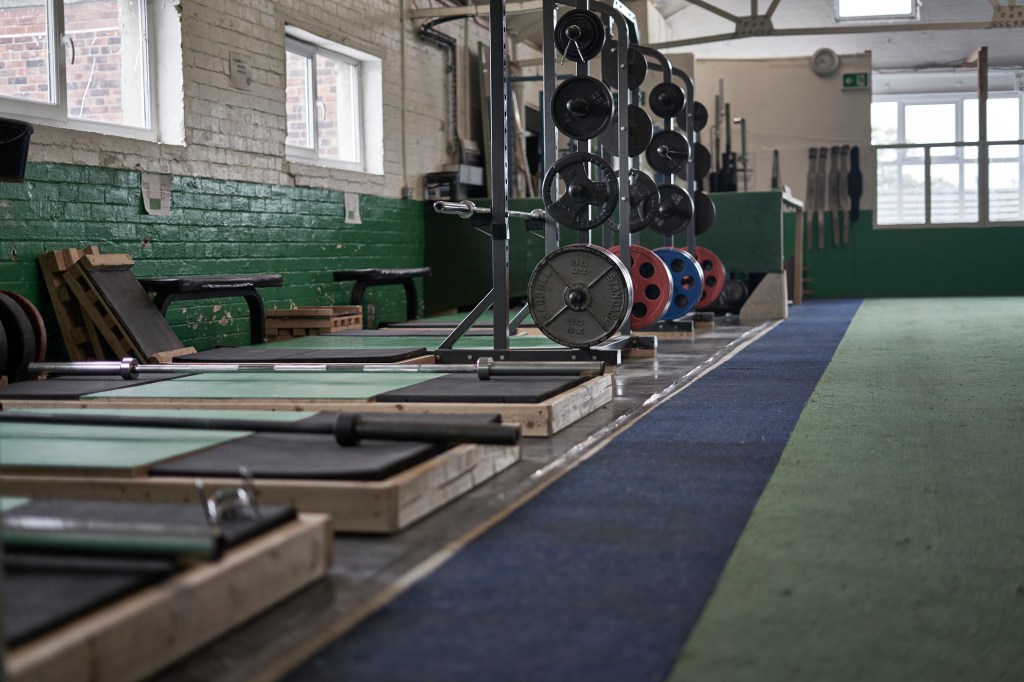
A strong body is key to preventing your spine from folding under a 30kg bergen on insertion march. Your joints will take the brunt of impact if quads, glutes and hamstrings are underdeveloped. The primary aim of pre phase 1 physical training is to get through phase 1 in one go without injury. Avoid becoming another back course statistic! I can’t condense years of strength training progression into a few lines but good resources to look at are:
Starting Strength – Mark Riptoe Clue in the name, this book covers a lot of key concepts
Untamed Strength Great explanation of fundamentals + ideas for programming
Never Sate Athletics For a solid understanding of progression + adaptions
Run
If you’re not fit, you’re going to die.
Garand Thumb
Grim but not wrong. Much of military training and actions is running, so work on your technique. This is everything from efficiency of movement, breathing rates, pacing on different terrains. Don’t worry about running loaded, save that miserable, joint destroying experience for when you have to in training. Instead focus on moving effortlessly over uneven terrain as fast as you can. This doesn’t mean going fast from your first session, start slow and gradually your pace will increase for the same effort.
Light feet, long slow deep breaths are the two markers for pace on given terrain, if you can’t manage those you are going too fast. Slow back down till you can manage (this might be a walk initially especially on some inclines).
If you have access to a heart rate monitor then incorporate that to ensure you’re staying in predominantly aerobic zones (1-3 in most guides) below 80% of your Max HR. Most of your running (especially incorporating hilly terrain) will be 70-80% region, with occasional spikes with incline. Initially you’ll have to slow to a walk to regain this easier heart rate. If you don’t have access to an HRM then you’ll have to go off of ventilation rate. Essentially if you can manage full sentences without gassing out then you’re at the right pace.
Don’t measure your sessions in distance as not all terrain is created equal, focus on time and slowly add time on feet to your routes. Equally add more elevation as you progress, work on descending efficiently with light feet rather than heavy plod down a slope. Your start point is whatever you can manage, that can be as little as 5 minutes. The goal headspace is 30 minutes as a short for time run and 45-90 being the norm.
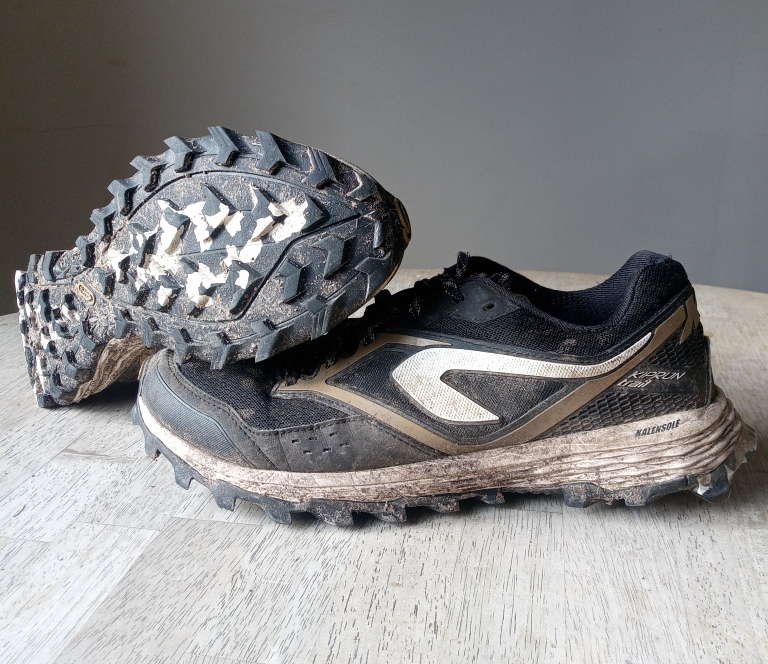
As much of your runs should be off metaled roads (tarmac/pavement) as possible. If that means you’re running in a park next to a path then that’ll have to do initially. I personally think the rolling moorland of the Peak District and Yorkshire Dales is the ideal training ground. With the skills you’ll gain from hiking you can stretch out into some excellent adventures in these spaces. With that in mind, in a choice between boots or trail shoes, I would recommend a pair of trail shoes as they can double as acceptable hiking shoes for what you’ll be doing. Accept you’ll be running in all weathers in just a t-shirt and shorter shorts than you’d like when you start phase 1 training so you might as well get used to that now. That being said, hypo and hyperthermia whilst not strictly self inflicted injuries can be avoided with appropriate clothing for the weather.
Maintaining morale during these long sessions in questionable conditions is tough. Good training partners are invaluable, for holding you accountable and someone to chat to. Failing that, a well formed playlist, audiobook or podcast are good for keeping it together. Any aspiring officers should consider the Economist and TLDR daily briefing podcasts for current affairs upkeep.
Hike
Carrying your life on your back is still a necessary skill in this day of mechanised warfare. All soldiers should be prepared to carry an amount of kit with them on the ground however unlikely it is they’ll go out on a patrol.
Because so much of the job is carrying a pack in a variety of environments this hike skill has a lot of aims. These include:
- Build zone 1-3 efficiency
- Build lower limb muscular endurance
- Build technique efficiency
- Learn navigation
- Learn route finding and planning
- Learn self reliance
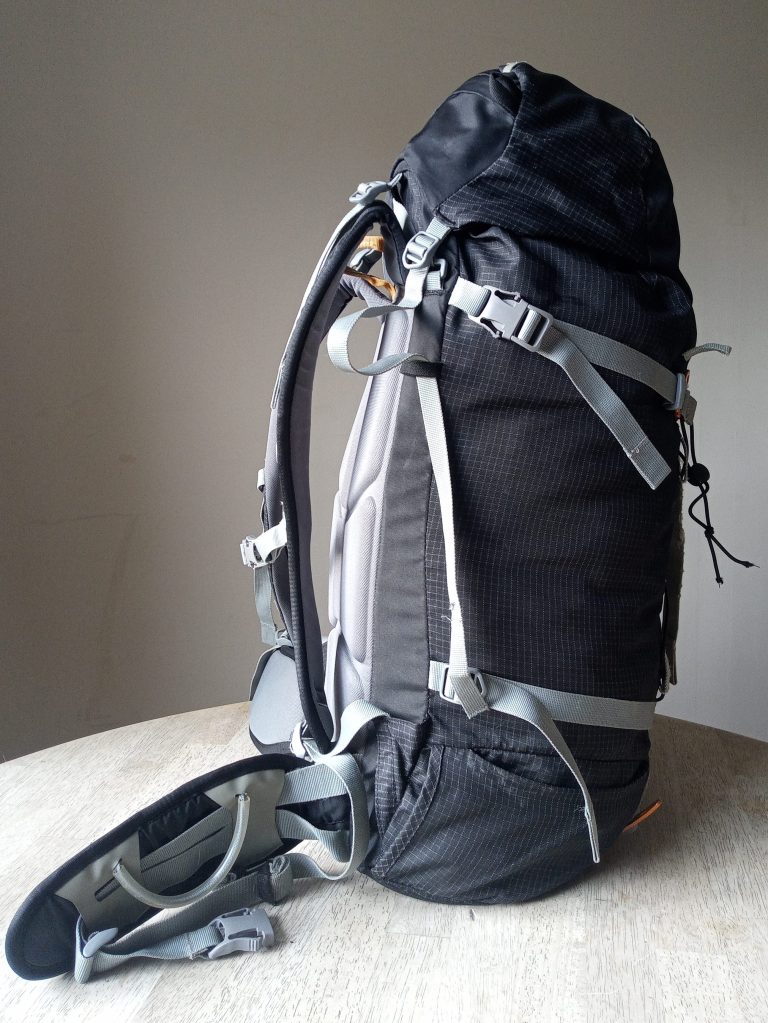
Much like running, start easy. Load, distance and incline should be added gradually. A robust 35-45 ltr backpack (ideally with a good hip belt) is a good investment. Avoid light weight hiking packs have mesh frames and thin shoulder straps. Any non fashion pack will do to start. Some water and a few layers weighing no more than 10% of body weight for your first outings. As you add weight, distance and elevation, consider these two speeds to be worked on.
A “patrol” is closer to a hike in speed and terrain (operation location depending). This is what the job will look like in reality. Role will dictate the weight here but for now avoid exceeding 20% bodyweight. Much of this training is technique on undulating terrain, navigation/route planning and learning to be outside for a prolonged period of time. 3.5 kph is a good aim regardless of how much incline you encounter, sounds slow but when you barely move forward whilst gaining height you’ll see why. The distance you cover will be similar to that on a metalled road but even 6 miles off road can be a full day’s effort depending on the terrain.
A metalled road march (similar to the old Annual Fitness Test) works on 15-25 kg depending on role for 6-10 miles at 14:30 minute/miles. This is roughly 6.5 kph, closer to a march than a hike, this is a MINIMUM standard needed to pursue further training. Completing this you should feel fresh and ready for the next task, if you’re not functional then you’re not capable. This was an output test of phase 1 until recently, however to keep testing standardised load carrying assessments will be done in a version of this format so prepare for this heavier and faster element too.
More about navigation and hiking technique here (coming soon)
Fight
Martial arts have been used to train soldiers for centuries, seen as an extension of their weapons training; the techniques stem from being without a weapon (Karate means empty hand). The purpose is to ingrain an attitude of continuing armed and unarmed. The core values of integrity, discipline, focus, and perseverance are also synonymous with soldering. Much like weapons training, Martial Arts provide a simulated experience of violence without the risks of an armed encounter. The competition element with your fellow students gives you the intensity of someone trained and committed against you in a safe environment, ideal for developing mental resilience alongside the physical.
The physical element is hard. 2 minutes of rolling or sparring is an intense experience even at slow speeds. This high intensity is a good addition to the easy breathing in the running and hiking already in your training. This will help during battle PT and other arduous physical trials of phase 1. Become comfortable with being uncomfortable.
From a practical standpoint, we increasingly operate in urban areas. This means both engaging with civilian populations (hostile and friendly) and moving through confined spaces. In these scenarios you might be unable to use a weapon system and need to engage. Becoming proficient hand to hand combat is another lifetime skill, you cannot train it enough especially if you’re not a giant. Due to the volume of armed training needed in phase 1, hand to hand training is notional. An accurate appreciation of your size and skill will help you control the situation, make space between you and an adversary and remove yourself to a safer point. That output will still take a very long time to train.
With the time you’ll have to train this skill, focusing on grappling arts is the streamlined choice. Japanese Jiu Jitsu, Wrestling or Judo are excellent examples. However many of the all round martial arts are strong choices too but I will say punching someone with a helmet and body armour on doesn’t have the desired effect. Whatever you pick, the ethos of your training will matter the most, once a week training will produce once a week results. For complex skill based movements such as this, practice makes improvement. Train often and drill hard. This doesn’t mean don’t have fun and enjoy the training but if the school doesn’t train to have real world realistic expectations of the skills then it’s setting you up to fail.
Swim
Avoid drowning as a general rule.
IBEX Performance
Swimming is a great non impact form of conditioning. With all the impact training being undertaken, some low load is a welcome relief. I prescribe 1 non impact session a week for all my arduous course programming, if available I recommend swimming. 30 minutes building to 45 at a zone 1-2 pace.
High levels of proficiency are not required to pass the military swim test but again this is a MINIMUM standard. The military swim test is 2 minutes of treading water followed by a 100m swim (any recognised stroke). If in a pool you cannot touch the sides or bottom during any stage. In my experience turning around was the hardest part without touching the shallow bottom. It has been done in combat trousers and jacket but now is in swim shorts.
To begin, focus on being comfortable in water if you’re not already. This includes being able to tread water efficiently, perform front crawl & breaststroke both with and without goggles. But much like running on tarmac is a poor training method for off road, pool swimming is limited. Open water is a great progression when appropriate. Moving water adds another element to consider, current and tide are serious forces to be appreciated. Swimming in moving water is only to be considered in a controlled environment. If you’re unlucky enough to do a river crossing in training or operations, some experience in moving water will be reassuring beforehand.
Climb
Men who can fight in the mountains can fight in the plains, the converse is not true.
Mountain Mobility -1944 p.6
Much like martial arts training, climbing helps develop better balance, coordination and kinesthetic awareness (ability to navigate space and the awareness of how we move). All will make assault courses and operating in urban environments much more comfortable experiences.
Indoor climbing and bouldering centres have become increasingly popular in recent years. Bouldering centres especially offer a great physical and mental solo activity with little mandatory safety training.
Progressing to roped climbing, both indoor and out can be hugely helpful for trusting safety equipment at height in a non military environment. If you struggle with heights it’s wise to develop coping strategies before you have an audience. You can take the skills from indoor climbing to outside on rock. The British Isles are incredible for traditional (trad) climbing, this is a serious progression and not for everyone. It is another multi year journey with a big financial commitment but If you enjoy the adventure in climbing joining the unit climbing team will reduce this outlay massively. The skills you develop here will facilitate bigger adventures to the mountains.
25% of the world’s land mass is in mountainous terrain, operating in them is reserved for specialist soldiers due to the difficulties they present. Military mountaineering is harsh, done predominantly at night forging paths for bodies of troops to follow via a covert route; it is not comparable to recreational time in the mountains. That being said, being comfortable with being uncomfortable is a big mindset switch you’ll need to make, few places can be as uncomfortable as the mountains. The self reliance needed to move and stay safe in the hills cannot be understated. From correct appreciation of your party’s ability to navigation and on the ground decision making you’ll learn a great deal and even more about yourself. A big Scottish winter day out in poor weather requires a lot of skills and fitness, back to back days even more so. If you can handle those and still be cheerful, you’re about ready for any physical adversity.
Honourable mention – Stretch
Good mobility will make a huge difference with a large training volume and the repetitive movements you’ll do. Try to do 10 minutes every day, lizard pose, seated straddle, puppy dog, saddle pose, supine twist and pigeon pose are a good base to build off of.
Summary
That’s the list with some framework of how to go about them. They’re all good skills to develop but If I had to choose one, it would be lifting. Of the list it has the most bang for buck, a strong chassis will give you the most versatility in anything you do.
Big thanks to G (Body X Motion) for his input on Fight and CJ for talking through the whole thought process with me.
 IBEX Performance
One thought on “Lift, Run, Hike, Fight, Swim, Climb”